Sustainable and Eco-Friendly Kitchen Materials in East Lothian
Why Material Choice Matters in a Kitchen Renovation
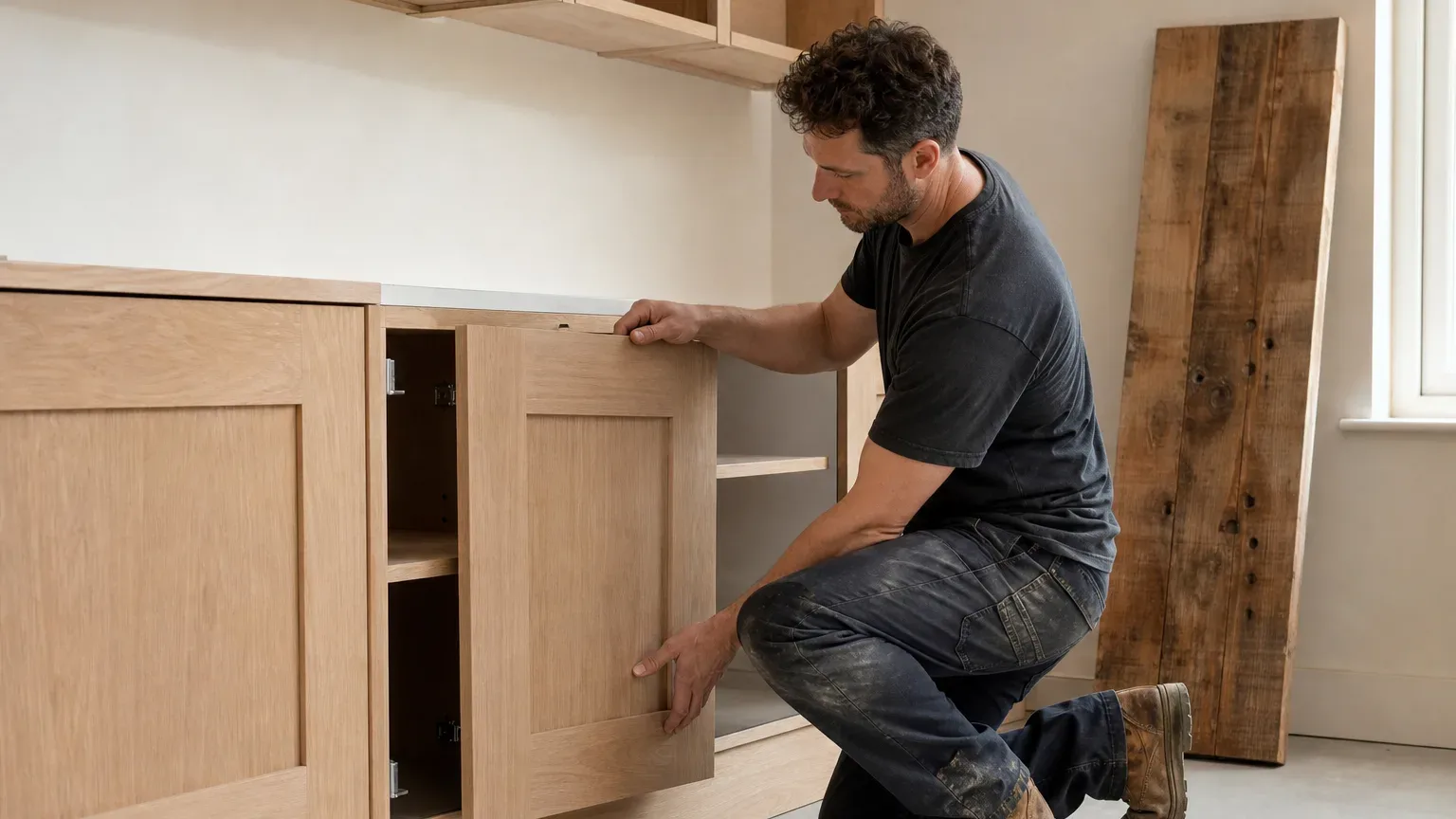
Kitchen renovations generate a significant volume of waste. Cabinetry, worktops, flooring, and adhesives all carry an environmental cost that runs from raw extraction through to disposal. Choosing eco-friendly kitchen materials in East Lothian means thinking across that entire lifecycle, not just the moment of installation.
The good news is that sustainable options now span every price bracket and aesthetic. A North Berwick home with a coastal colour palette can use the same responsibly sourced materials as a Haddington farmhouse kitchen. Availability has improved considerably as demand has grown across the UK.
What Are the Most Sustainable Worktop Materials?
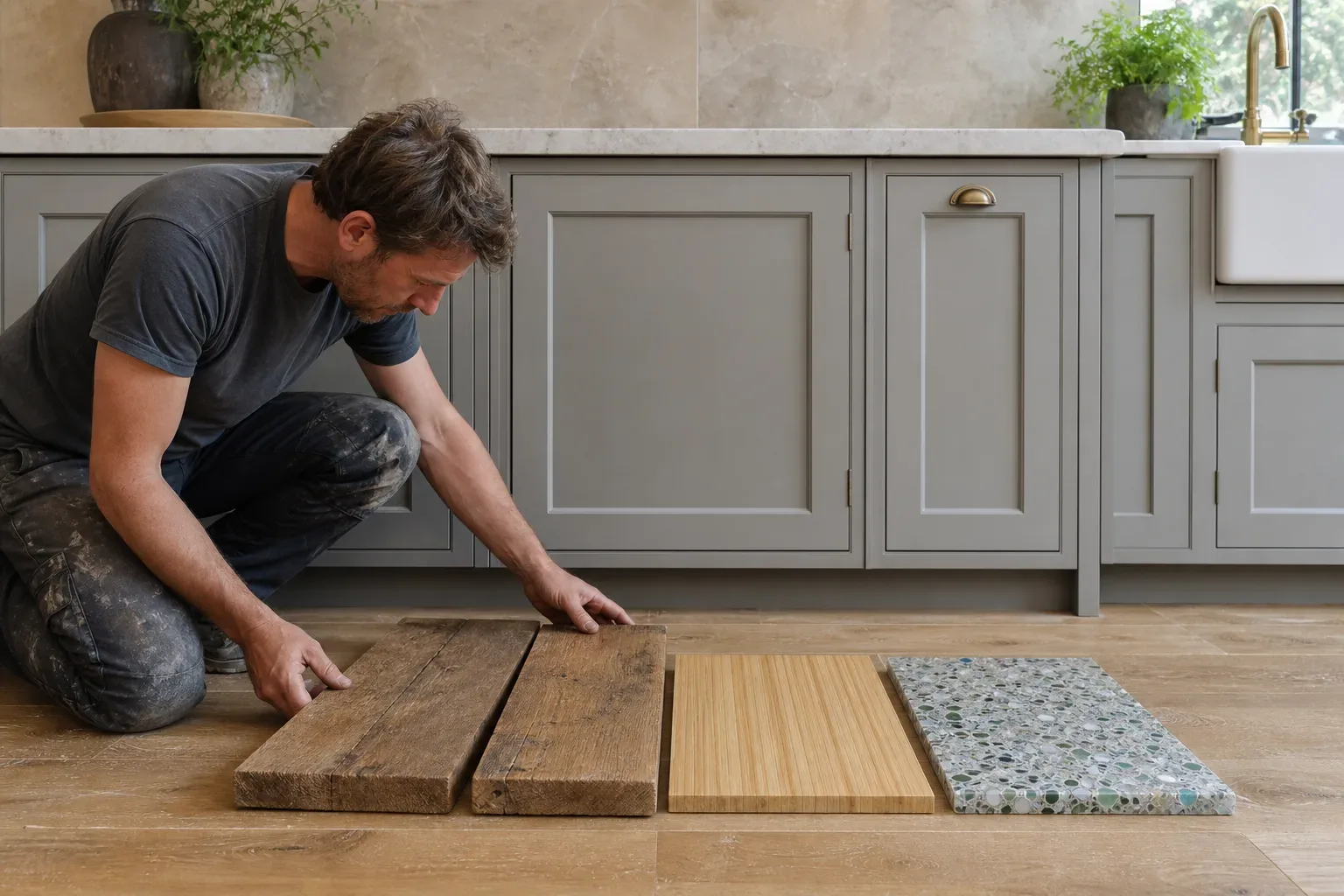
Recycled glass, reclaimed timber, and FSC-certified solid wood consistently rank among the most sustainable worktop choices. Each handles differently in a working kitchen, so the right pick depends on your household's cooking habits and tolerance for maintenance.
Recycled Glass Worktops
Recycled glass worktops are made from post-consumer glass, often bottles and windows, set into a cement or resin binder. They are non-porous, heat-resistant, and available in a wide range of colours produced by the glass content rather than synthetic dyes. Supply and fit costs sit within the £100–£300 per linear metre range, placing them alongside quartz and granite at the upper end.
Reclaimed and FSC-Certified Timber
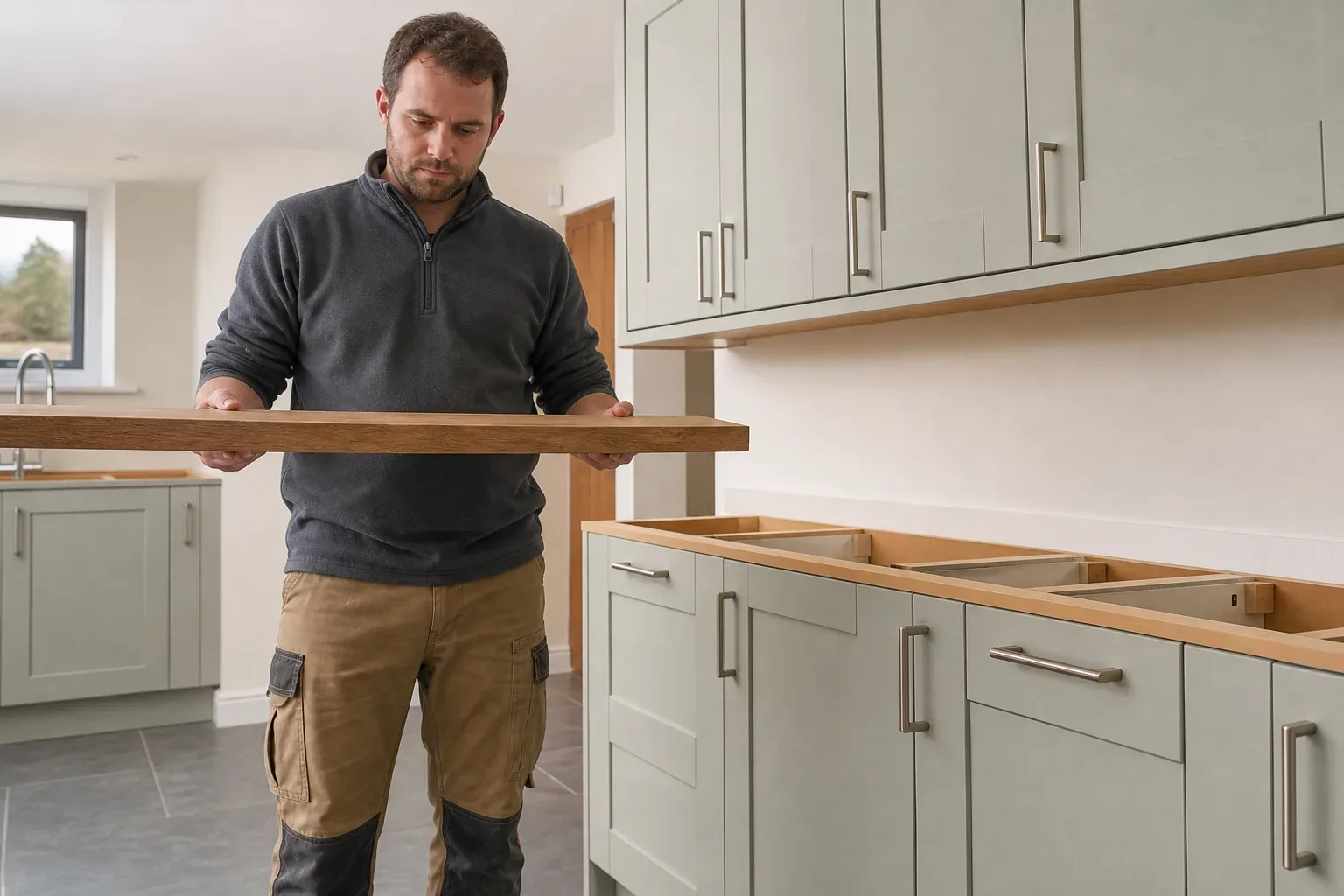
Reclaimed timber carries the lowest embodied carbon of any worktop material because it avoids new extraction entirely. Oak, elm, and pine salvaged from demolition projects or older furniture all work well and develop character over time. FSC-certified new timber is a credible second choice when reclaimed stock is not available in the right dimensions. Both options require periodic oiling to maintain water resistance.
Bamboo
Bamboo grows to harvest in three to five years compared with decades for hardwood, which makes it a genuinely fast-renewing material. It machines well, accepts stains evenly, and is harder than many traditional hardwoods. Look for products bonded with low-VOC adhesives, since some bamboo boards use formaldehyde-heavy resins that offset the environmental gain.
Eco-Friendly Cabinet Materials and Finishes
Conventional flat-pack cabinetry often uses particleboard bonded with urea-formaldehyde adhesives. Emissions from these boards can persist indoors for years. Switching to formaldehyde-free or CARB Phase 2-compliant boards makes a measurable difference to indoor air quality, which matters especially in a kitchen where heat accelerates off-gassing.
For cabinet doors, consider:
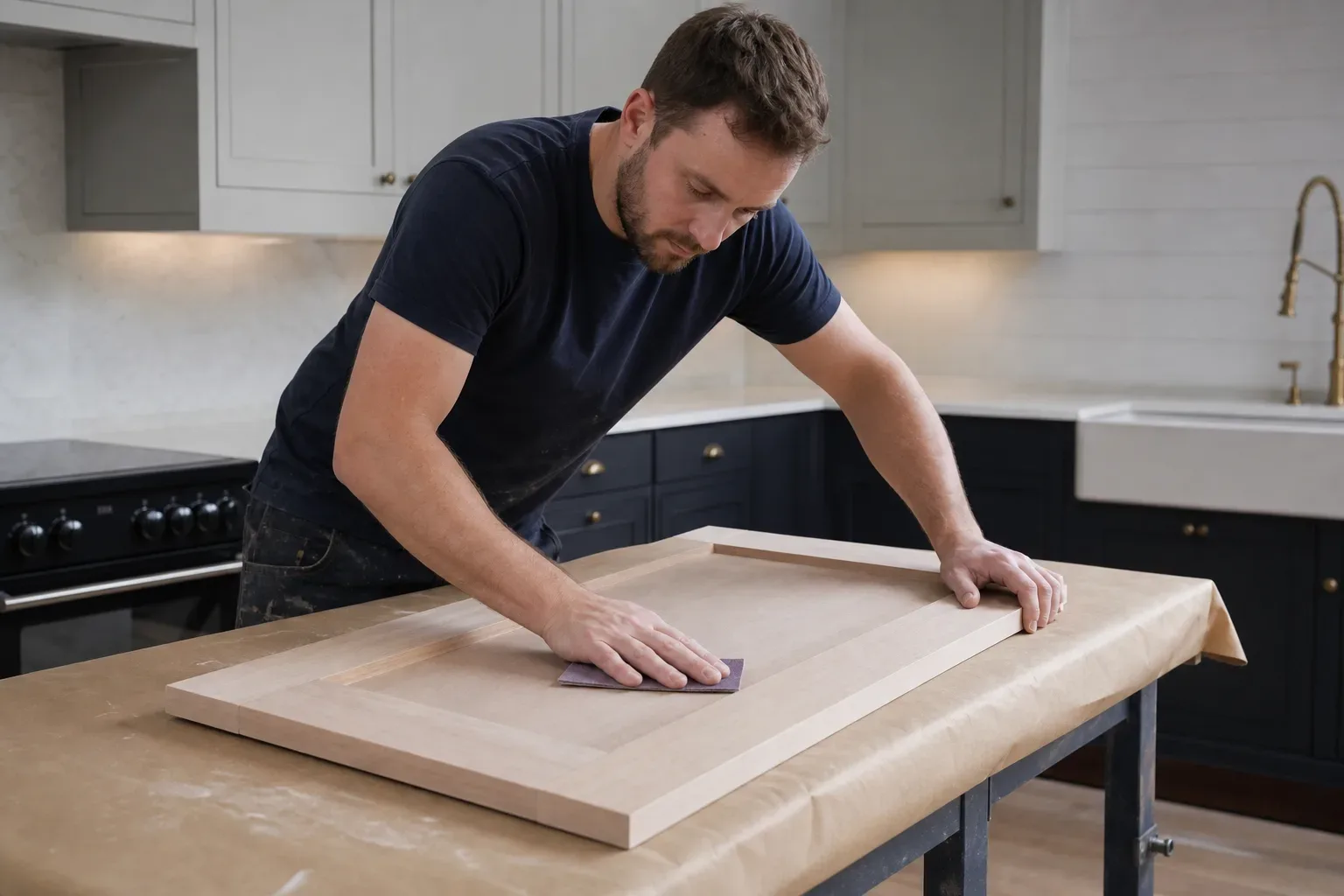
- MDF with low-VOC primer and water-based paint: A cabinet respray using water-based coatings costs £800–£2,000 for a full kitchen and avoids replacing structurally sound carcasses.
- Solid wood doors from certified sources: Heavier and more expensive, but durable enough to outlast two or three sets of cheaper alternatives.
- Recycled aluminium or steel door frames: Industrial in appearance but fully recyclable at end of life.
Refacing or respraying existing cabinets is itself a sustainable act. It keeps material out of landfill and extends the working life of the carcass by a decade or more.
Flooring Options for a Greener Kitchen
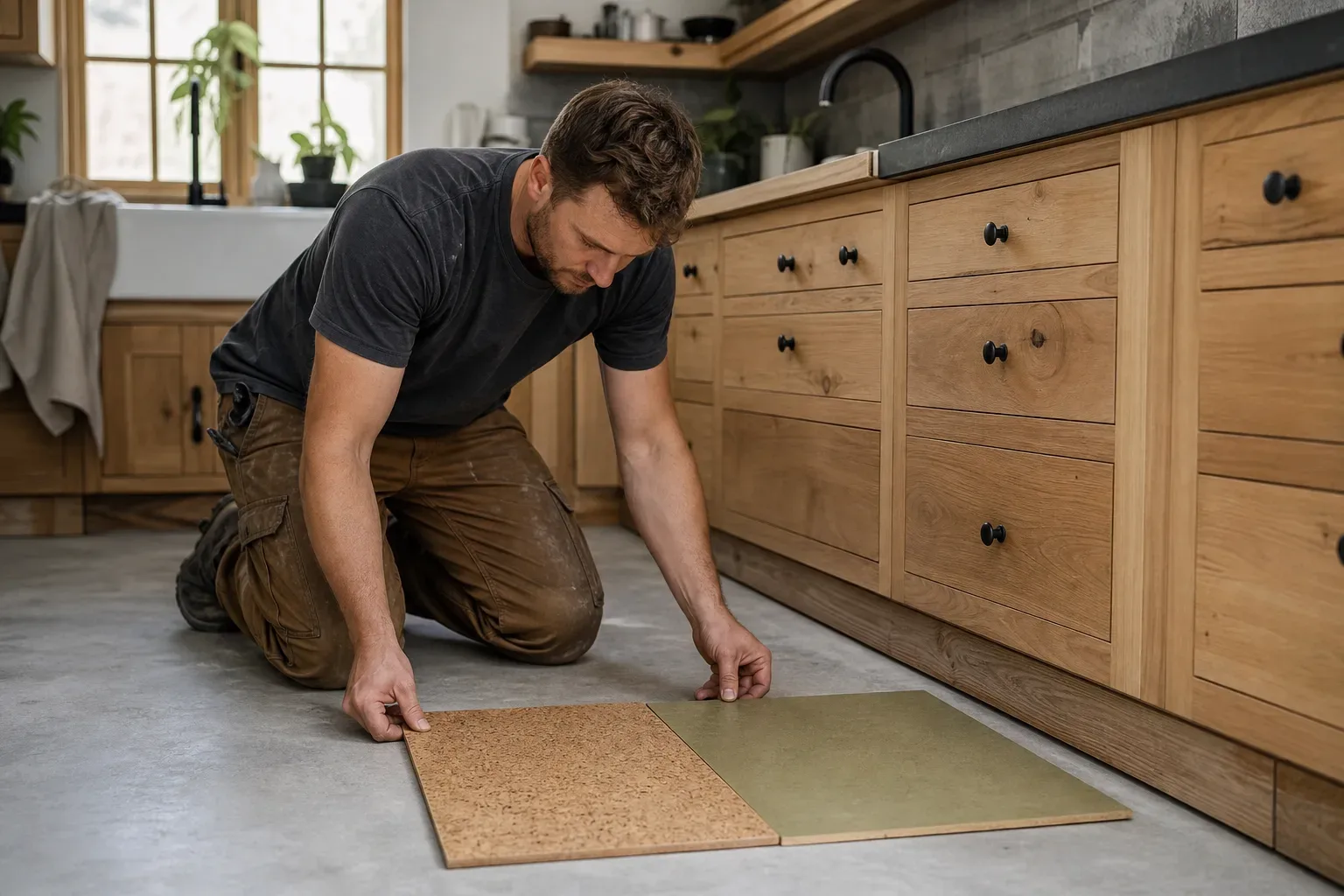
Cork and linoleum are the standout eco-friendly flooring choices for kitchens, offering comfort underfoot alongside genuine sustainability credentials.
Cork comes from bark stripped from living trees, which regrow their bark over roughly nine years without the tree being felled. It is naturally antimicrobial, warm, and quiet. Unsealed cork requires more careful maintenance in a kitchen environment, but factory-sealed planks handle spills well.
Linoleum, distinct from vinyl, is made from linseed oil, cork dust, wood flour, and natural pigments pressed onto a jute backing. It is biodegradable at end of life and has been used in kitchens for over a century. Avoid confusing it with PVC-based vinyl flooring, which carries a significantly higher environmental footprint.
Reclaimed stone and ceramic tiles are also worth considering. Salvage yards across Scotland stock Victorian and Edwardian tile in good condition, and reusing them avoids both manufacturing emissions and quarrying impacts.
Sustainable Paints, Adhesives, and Sealants
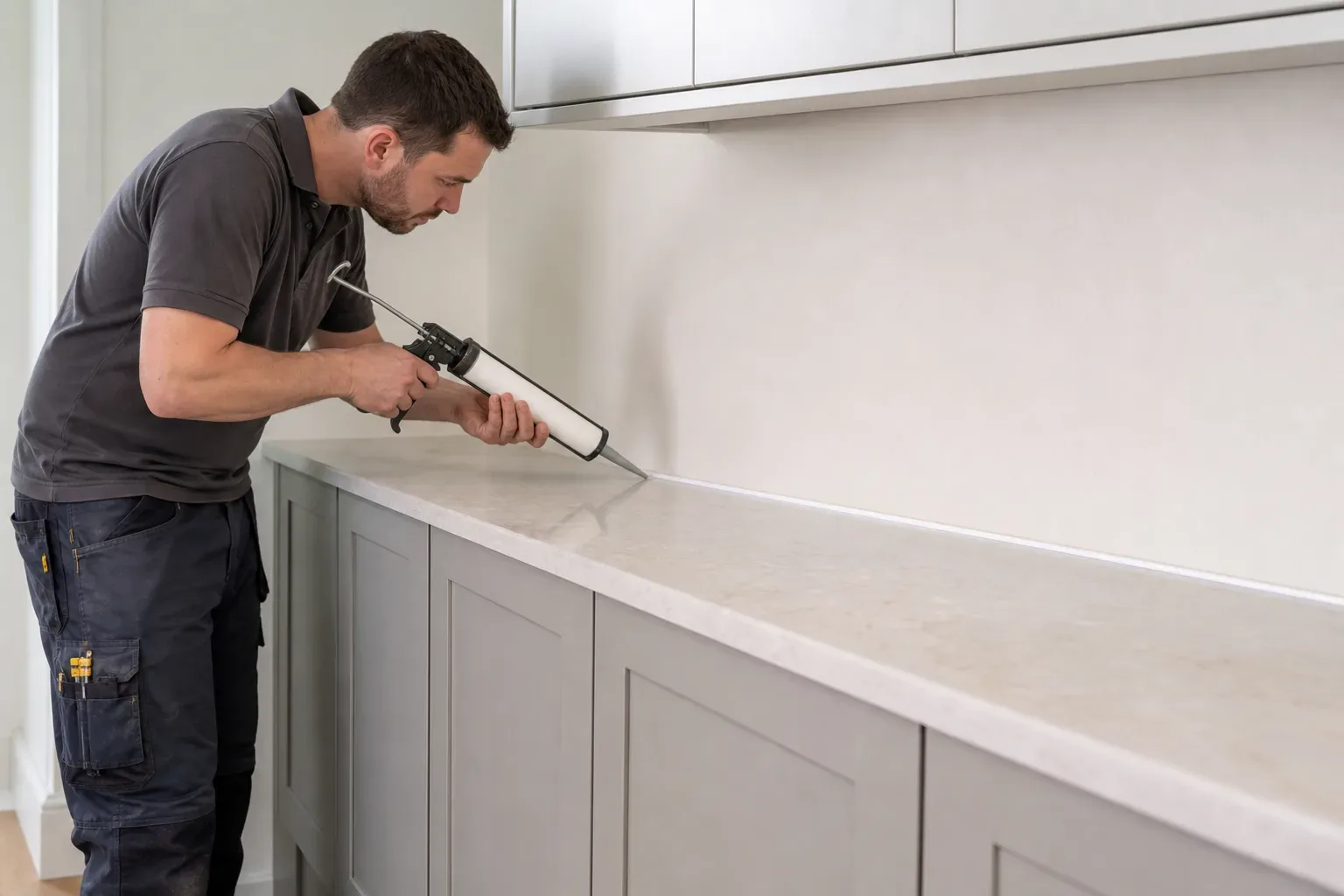
The background materials in a kitchen fit-out often receive less scrutiny than the headline products. Adhesives, grouts, sealants, and wall paints collectively contribute a notable share of indoor VOC loading.
Natural paint brands using casein, clay, or linseed oil bases are widely available online and through specialist Scottish stockists. They perform comparably to synthetic paints in dry kitchen conditions and are far easier to dispose of responsibly. Grouts and tile adhesives now come in low-VOC formulations from most major trade suppliers.
For worktop and timber sealants, hardwax oils derived from plant sources outperform many synthetic polyurethane finishes on environmental impact while still providing adequate protection on a well-maintained surface.
Appliances, Fittings, and the Broader Picture
Materials are only part of the picture. Appliance efficiency directly affects the long-term environmental footprint of a kitchen. Each appliance installation costs £50–£150 for connection and testing, and spending that on an A-rated unit rather than a cheaper, lower-rated one pays back in energy costs within a few years.
Water-saving taps and filtered cold-water taps can reduce plastic bottle consumption. Induction hobs, which heat cookware directly rather than the surrounding air, use substantially less energy than conventional gas or electric radiant hobs.
Sourcing Locally Across East Lothian
Local sourcing reduces transport emissions and supports the regional economy. Several reclamation and salvage businesses operate within or near East Lothian, and timber merchants in the Lothians stock FSC-certified board regularly. Kitchens East Lothian works with all major UK kitchen brands and can advise on which product ranges carry credible environmental certification.
A 3D kitchen design consultation, available for £150–£400, is a practical first step before committing to any materials. Seeing a scaled layout helps avoid over-ordering, which is itself a form of waste reduction. Kitchens East Lothian offers a free, no-obligation quote on all services, so the cost of exploring sustainable options carries no financial risk at the enquiry stage.
Making the Renovation Itself Less Wasteful
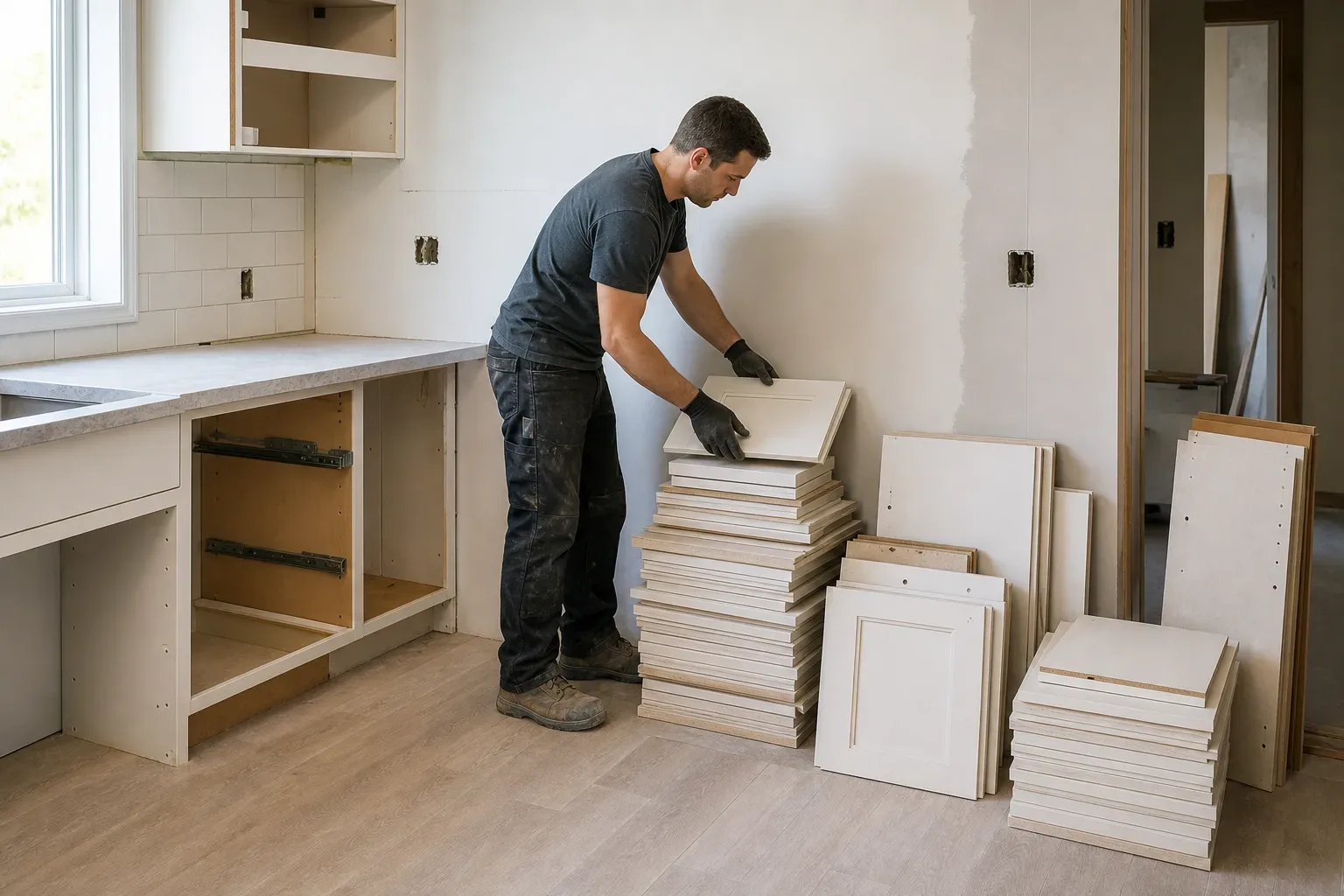
The process of installation carries environmental costs alongside the materials. Strip-out generates old cabinetry, worktops, and flooring that can often be donated, sold, or at minimum separated for recycling rather than sent to landfill as mixed waste.
A full kitchen installation typically takes 5–14 days from strip-out to completion. Planning the strip-out stage in advance, with a clear plan for where removed materials will go, adds very little time and meaningfully reduces the waste sent to landfill. Community reuse networks and local Facebook groups regularly take whole kitchens for free collection.
For smaller projects such as a worktop swap or cabinet respray, the timeline is 1–3 days. These targeted refurbishments preserve the majority of the existing kitchen and keep material consumption to a minimum, which is often the most sustainable outcome available.
Frequently Asked Questions
What Are Eco-friendly Kitchen Materials?
Eco-friendly kitchen materials are products chosen for low environmental impact across their full lifecycle, from extraction or manufacture through to disposal. Common examples include FSC-certified or reclaimed timber worktops, bamboo, recycled glass surfaces, cork or linoleum flooring, and cabinetry made from formaldehyde-free board. Paints, adhesives, and sealants with low VOC content are also part of a genuinely sustainable kitchen fit-out.
Is Reclaimed Timber a Practical Choice for Kitchen Worktops?
Yes, reclaimed timber works well as a kitchen worktop provided it is properly dried, sealed, and maintained. It carries the lowest embodied carbon of any worktop option because no new extraction is required. It does need periodic oiling to stay water-resistant, and some seasonal movement is normal, but many homeowners find the character and durability of reclaimed oak or elm preferable to manufactured alternatives.
Can I Make My Kitchen More Sustainable Without a Full Replacement?
A full replacement is rarely necessary for a meaningful sustainability improvement. Respraying existing cabinet doors with water-based, low-VOC coatings costs £800–£2,000 for a full kitchen and keeps structurally sound carcasses out of landfill. Replacing only the worktop, switching to energy-efficient appliances, or fitting a water-saving tap each make a measurable difference without the material waste of a complete strip-out.
What Is the Difference Between Linoleum and Vinyl Flooring?
Linoleum is made from natural materials including linseed oil, cork dust, wood flour, and jute, and it biodegrades at end of life. Vinyl flooring is PVC-based, a synthetic plastic that carries a significantly higher environmental footprint in manufacture and is difficult to recycle. Both can look similar in a showroom, so checking the product specification before purchasing is essential if sustainability is a priority.
How Do I Source Sustainable Kitchen Materials in East Lothian?
Several reclamation yards and timber merchants operate within or near East Lothian and stock FSC-certified board and salvaged materials regularly. Kitchens East Lothian works with all major UK kitchen brands and can advise on which ranges carry credible environmental certification. A 3D design consultation for £150–£400 is a useful starting point, as accurate planning reduces over-ordering, which itself limits material waste.