Quartz Worktops vs Granite in East Lothian Kitchens
Two Dominant Materials, One Practical Decision
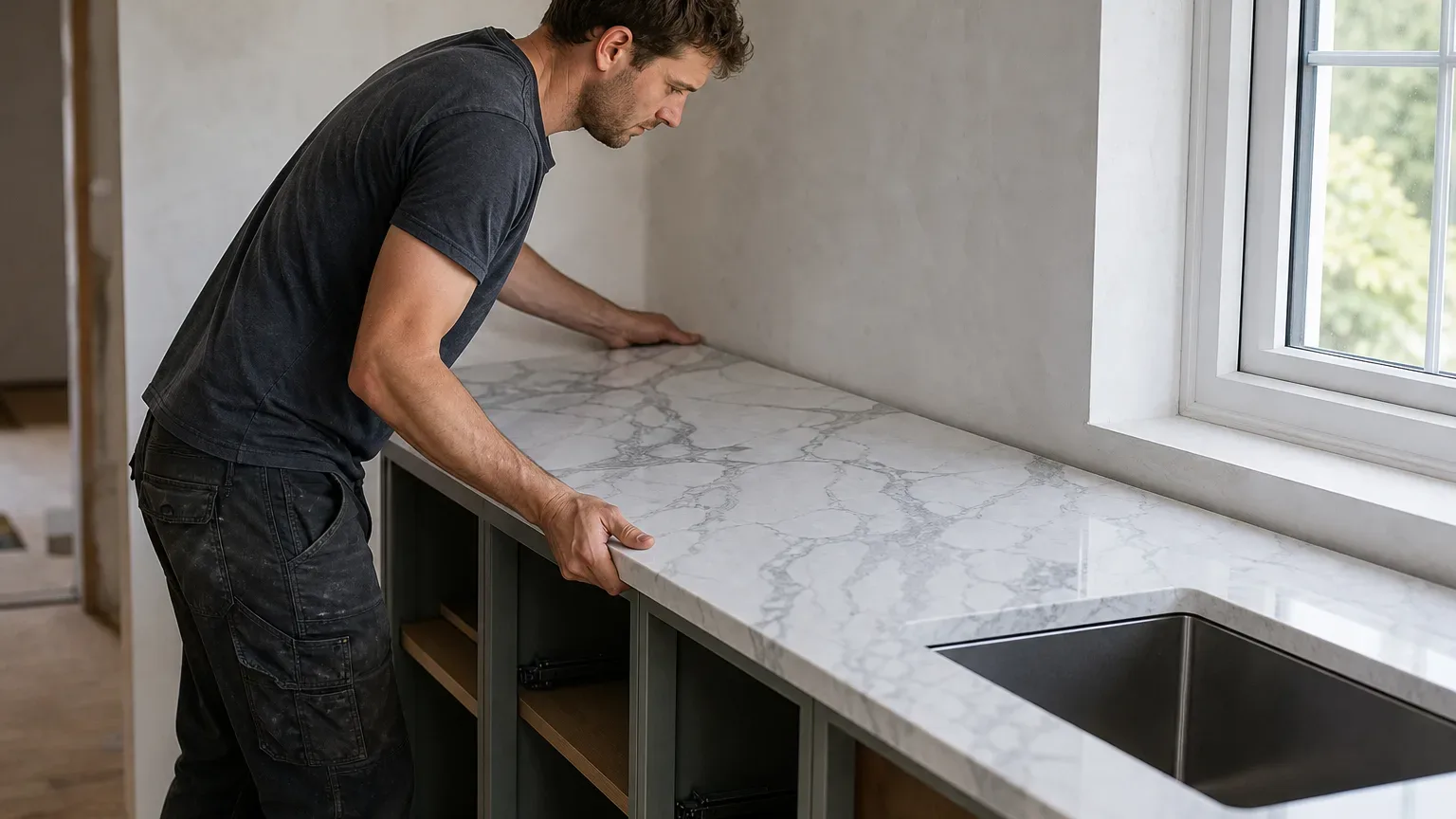
Quartz and granite account for the majority of premium worktop installations across East Lothian, and for good reason. Both are hard, heat-resistant surfaces that outlast most kitchens they are fitted into. The decision between them comes down to maintenance expectations, budget tolerance, and the visual outcome you want from your kitchen.
Worktop replacement runs £100–£300 per linear metre for supply and fit, with laminate sitting at the lower end and quartz or granite at the upper end. Understanding what drives that price difference helps you spend confidently rather than simply picking the more expensive option.
What Makes Quartz Different from Granite
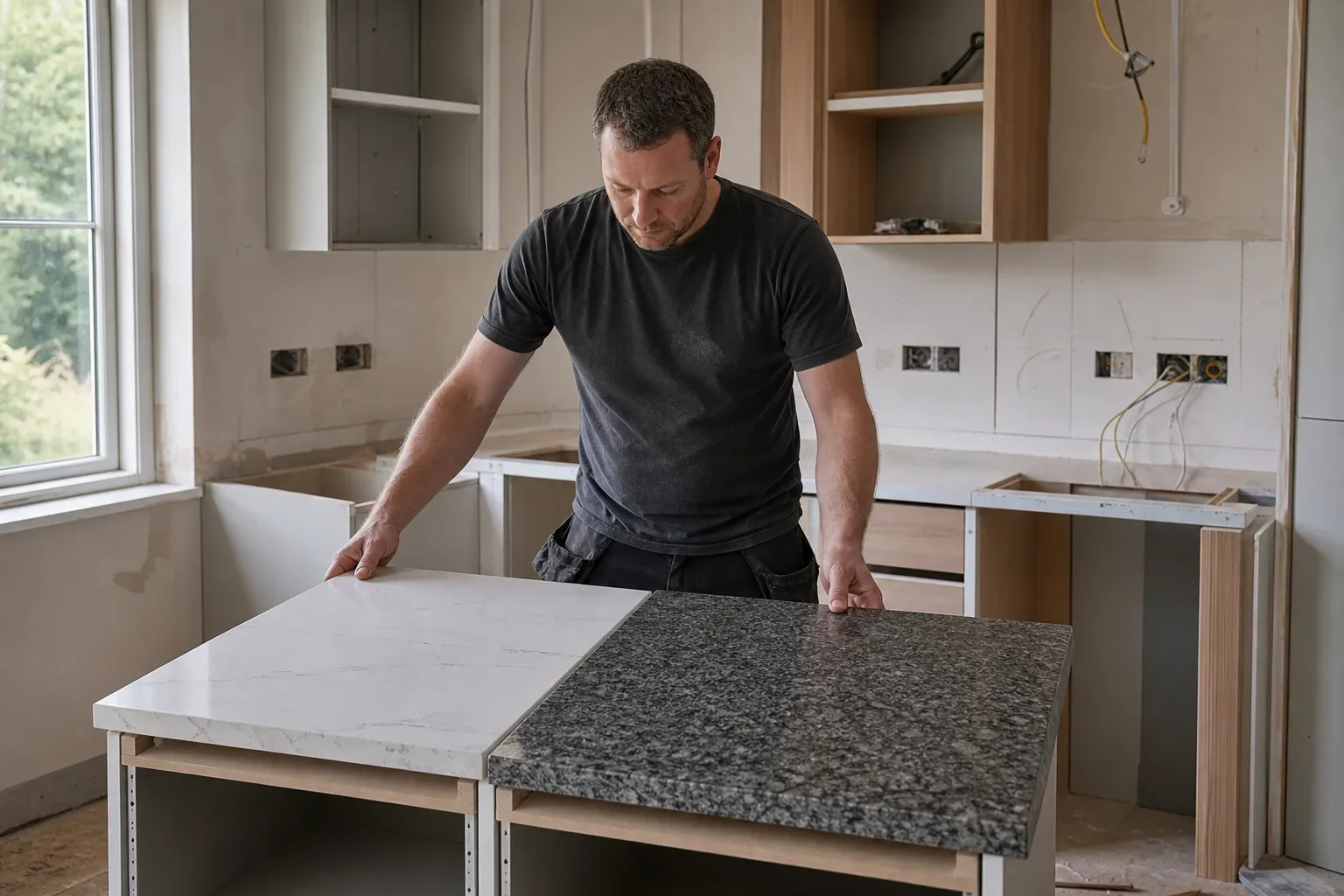
Granite is a natural stone cut from quarried slabs, meaning every surface is genuinely unique. Quartz worktops are engineered: roughly 90–95% ground quartz aggregate is bound with resin and pigment, then pressed into slabs under high pressure. That manufacturing process removes the variability that makes natural stone both appealing and occasionally unpredictable.
The resin content in quartz seals the material during production. Granite, being porous, requires periodic sealing to prevent liquids from penetrating the surface. For busy households in towns like Haddington or Musselburgh where the kitchen takes daily punishment, that maintenance difference is worth factoring in before you commit.
Appearance and Design Flexibility
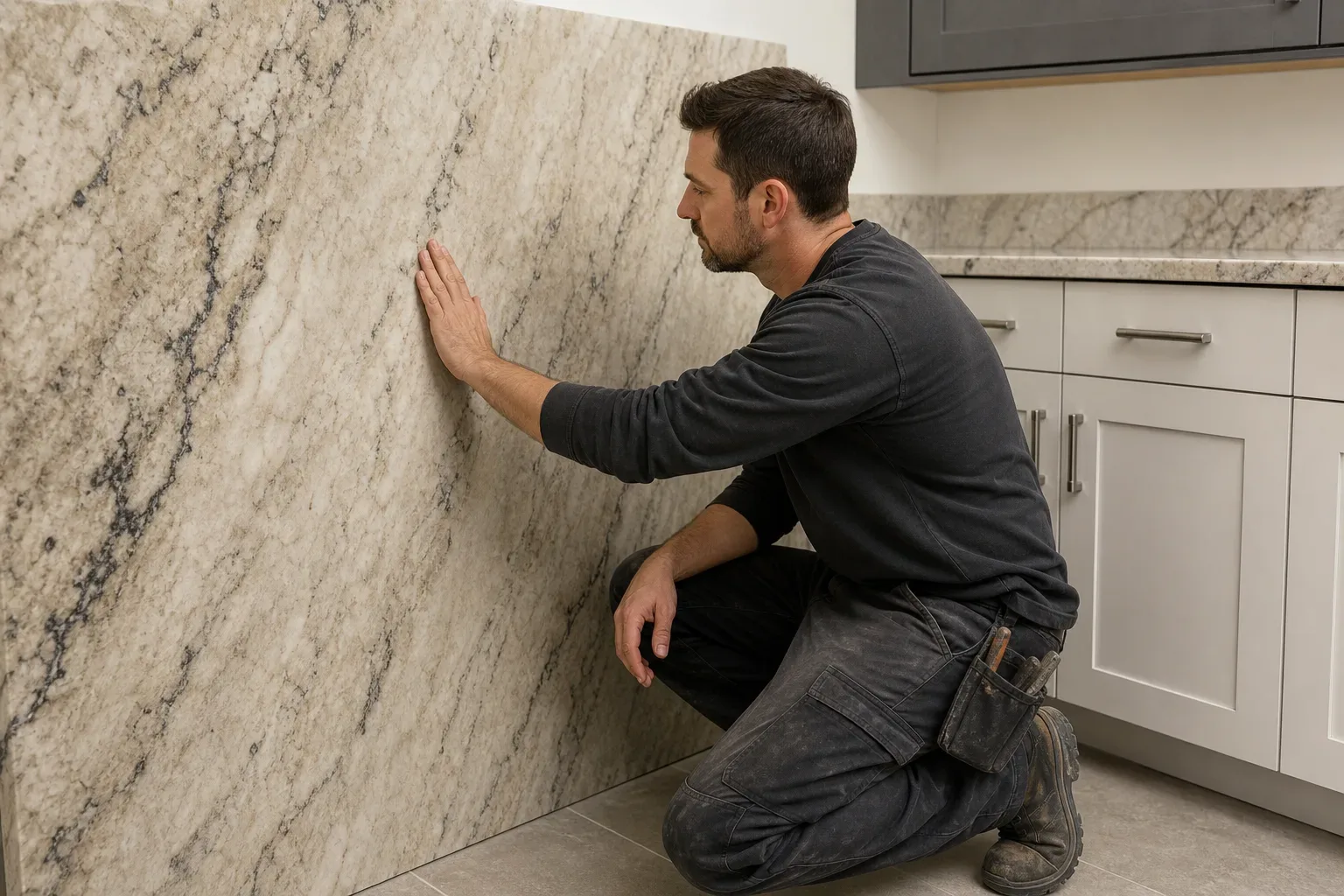
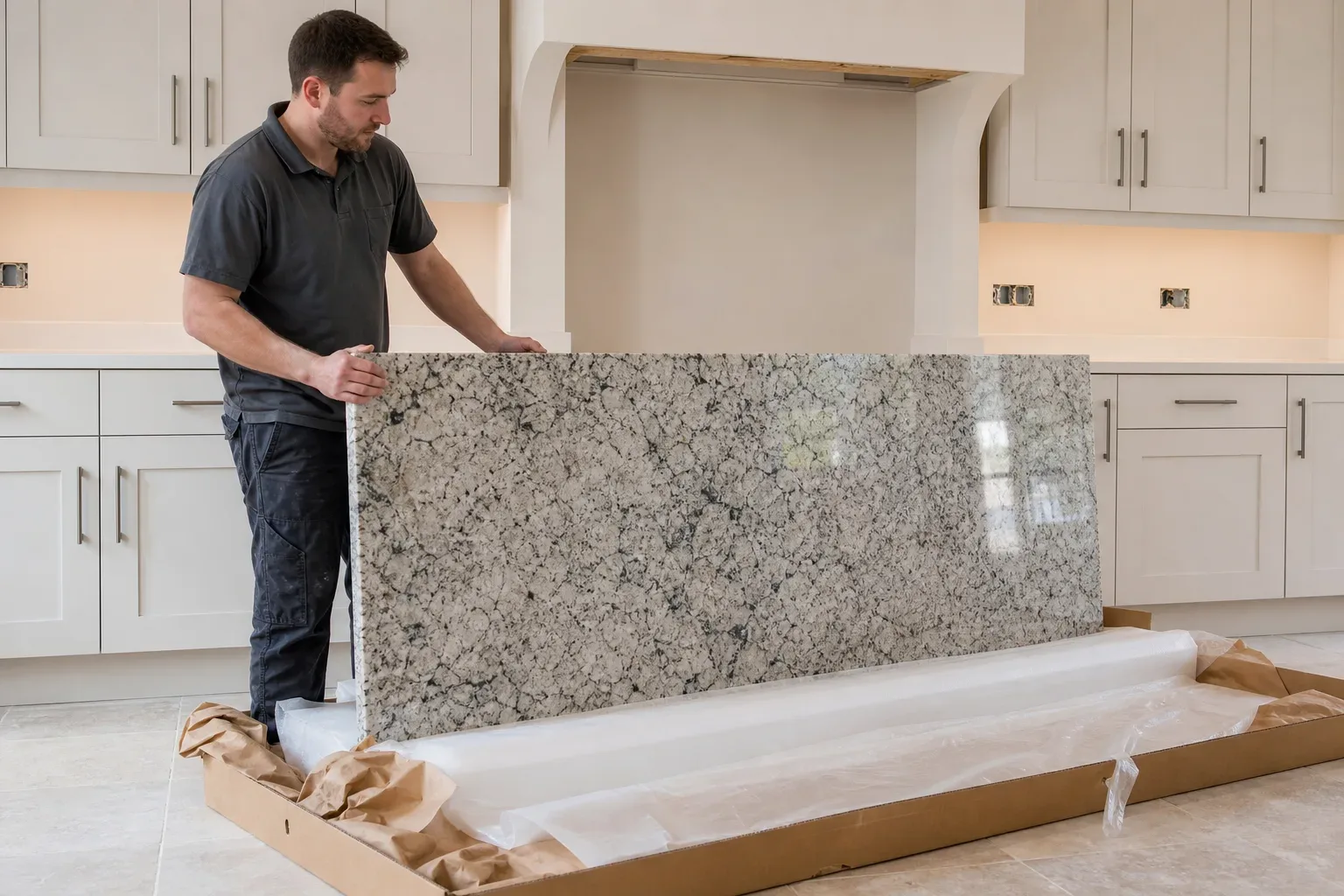
Granite's visual appeal comes from its natural movement: flecks of mica, veining, and colour variation that no two slabs share identically. This suits kitchens where natural texture is a deliberate design choice. If you are matching stone across a large island and perimeter run, you need slabs cut from the same block to keep the pattern consistent, which adds complexity to the order.
Quartz offers more predictable aesthetics. Manufacturers produce it in consistent colourways across batches, making it easier to match across a kitchen refit done in stages. The range now includes convincing marble-effect and concrete-look finishes that broaden the design palette considerably. For East Lothian homeowners working with a 3D kitchen design service (£150–£400 for a standalone planning consultation), quartz's consistency makes digital visualisation more accurate.
Durability and Heat Resistance
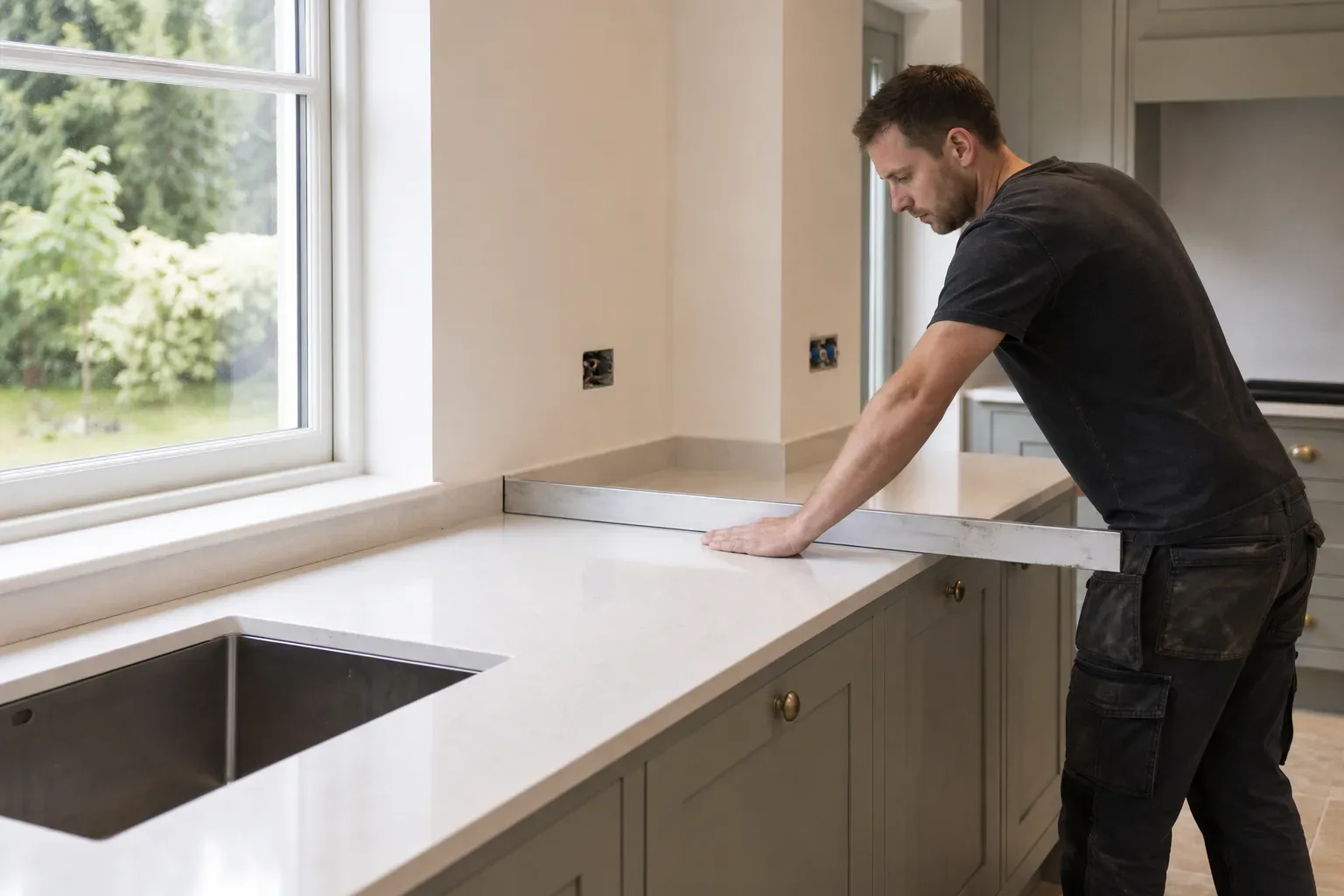
Both materials are hard enough to resist scratching under normal kitchen use. Granite scores around 6–7 on the Mohs hardness scale; engineered quartz is similar, though the resin binder makes it marginally more flexible under impact. Neither will mark from cutlery dragged across the surface.
Heat resistance is where the two diverge meaningfully. Granite can tolerate a hot pan placed directly on the surface without damage. Quartz cannot: the resin in engineered slabs can discolour or crack under sudden thermal shock above roughly 150°C. Trivets are non-negotiable with quartz, which some homeowners find inconvenient in a high-tempo kitchen.
Staining and Bacteria
Quartz is non-porous from the outset and requires no sealing. Red wine, coffee, and acidic liquids wipe away cleanly without penetrating the surface. Granite, once its factory seal degrades after roughly one to two years, can absorb liquids if not resealed. Unsealed granite around sinks or hob areas is the most common source of staining complaints.
Both surfaces are hygienic for food preparation when properly maintained. The non-porous nature of quartz does give it a slight edge in settings where cross-contamination risk is a genuine concern.
Cost Comparison for East Lothian Installations
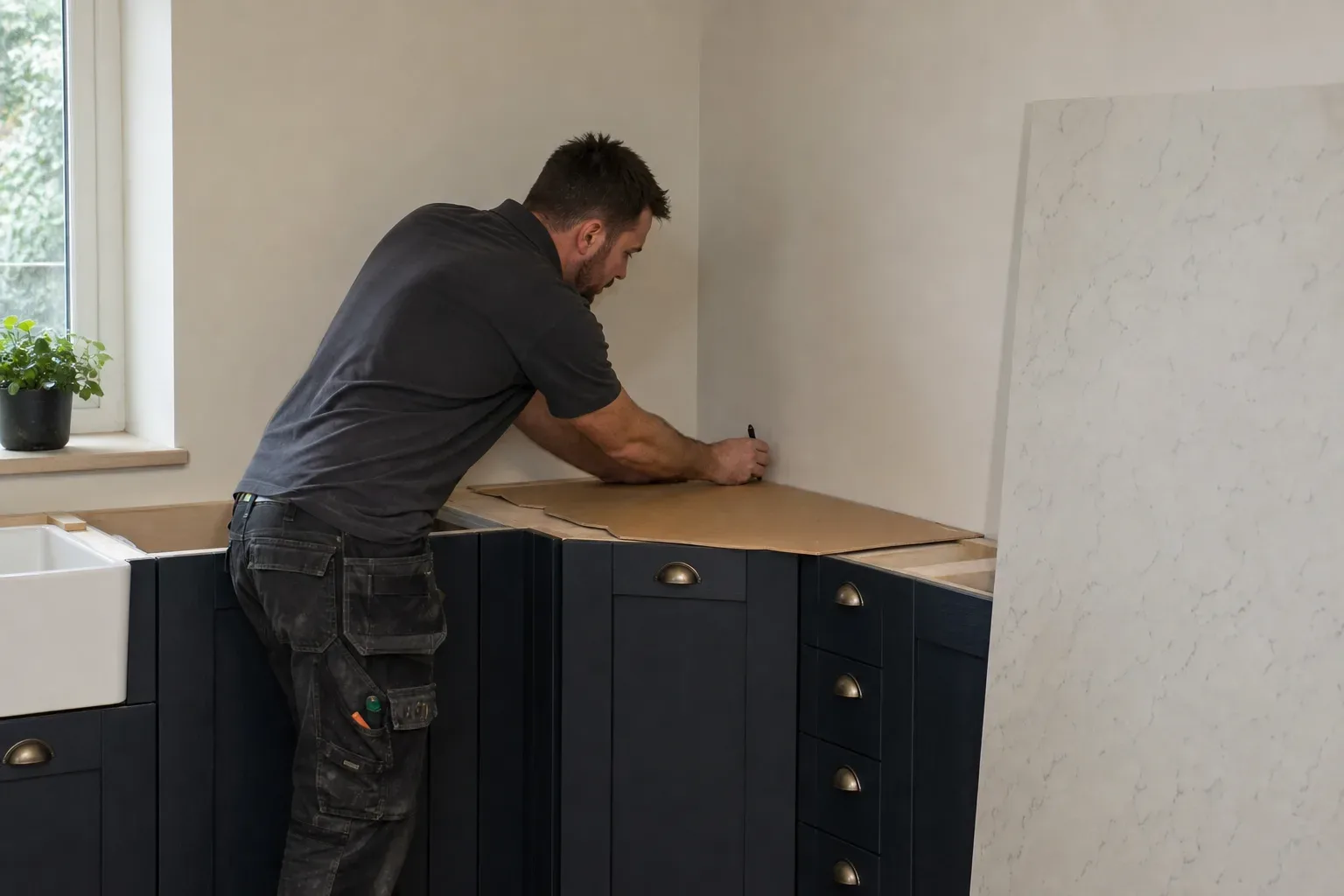
At the supply-and-fit rate of £100–£300 per linear metre, a mid-sized kitchen with around 6 linear metres of worktop sits between £600 and £1,800. Granite tends to land in the mid-to-upper portion of that range because slab selection, templating, and the weight of natural stone all add labour time. Quartz is available across the full range depending on brand and finish, though premium designer quartz from brands like Silestone or Caesarstone sits at a comparable price to quality granite.
Edge profiling, upstands, and cutouts for sinks or hobs add cost to either material. A waterfall edge on a kitchen island, where the slab continues vertically down the side, requires precise matching and adds templating time. These are variables worth clarifying when you request a free, no-obligation quote.
What Affects the Final Price
Slab thickness matters: 20mm is standard for most worktops, but 30mm adds visual weight and costs more per metre. The complexity of your kitchen layout, including angles, peninsulas, and the number of cutouts, affects installation time directly. Bespoke kitchens with irregular dimensions require more templating and careful cutting, which increases labour regardless of the stone chosen.
Kitchens East Lothian fits worktops as part of full kitchen installations (£3,000–£8,000 for labour) as well as standalone worktop replacements. A standalone swap typically falls within the minor refurbishment timeline of 1–3 days.
Which Material Suits East Lothian Homes
Period properties in areas like North Berwick or the older sandstone terraces around Tranent often suit granite's natural character. The variation in granite's surface reads as organic rather than manufactured, which sits well alongside traditional cabinetry and original features. Lighter granite varieties pair well with painted Shaker-style doors.
Contemporary new-builds and open-plan kitchens in developments around Dunbar or Prestonpans tend to favour quartz for its cleaner, more controlled finish. Matt or honed quartz in a pale tone across a large island creates a strong, minimal visual. Its consistency also makes specification easier on renovation projects where the designer needs to guarantee a precise colour match.
There is no universal correct answer. The right choice depends on how your kitchen is used day-to-day, what aesthetic you are working towards, and how much ongoing maintenance you are willing to do. Granite rewards owners who appreciate natural materials and accept minor upkeep. Quartz suits those who want a high-performance surface that asks very little of them after installation.
Getting the Right Fit in East Lothian
Kitchens East Lothian covers the full county, including Haddington, North Berwick, Dunbar, Musselburgh, Prestonpans, and Tranent. With 10+ years of experience fitting worktops across the region, the team can advise on material choice based on your specific kitchen layout and usage rather than a general preference.
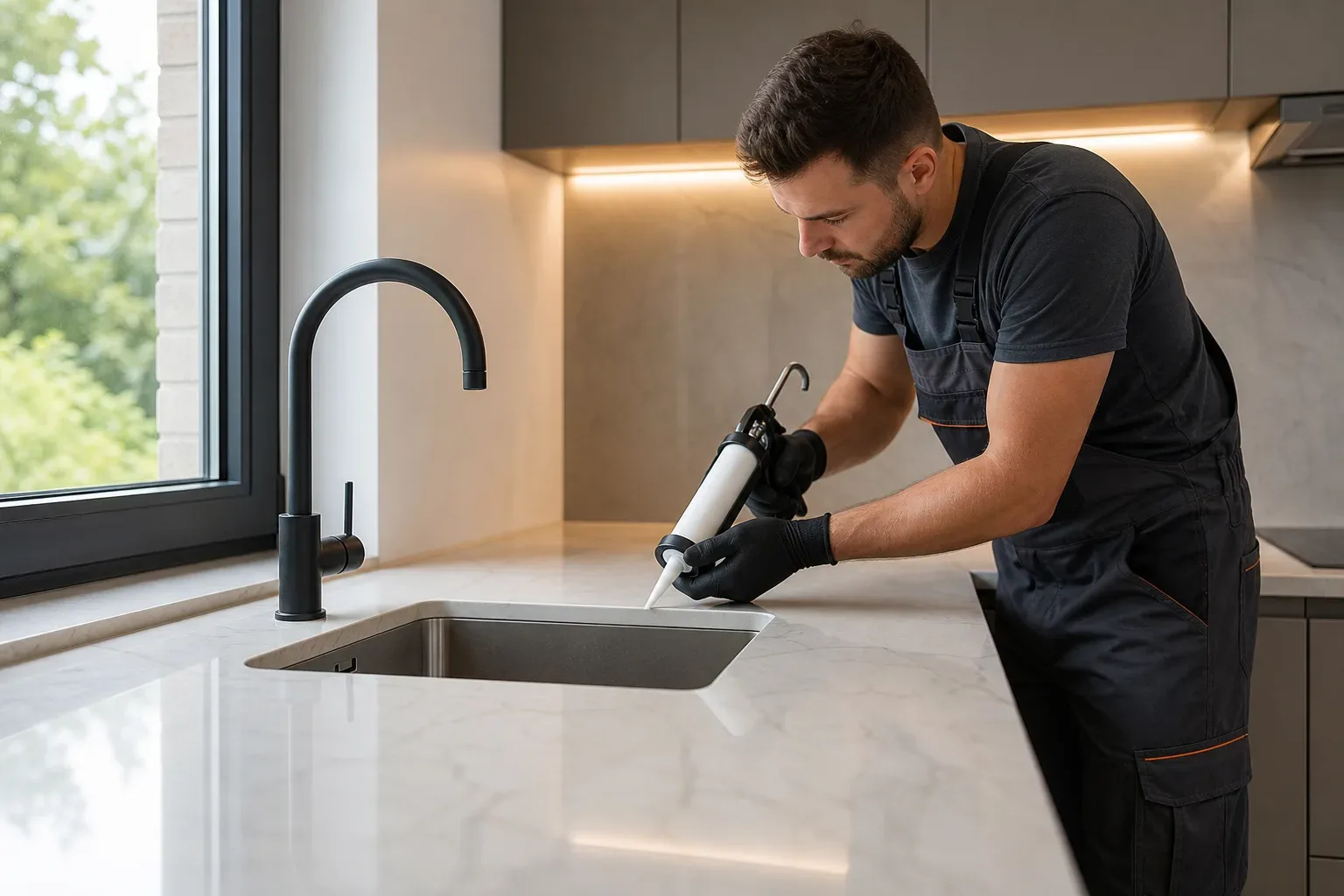
All worktop installations carry a 2-year workmanship guarantee covering labour defects. Templating is done on-site to ensure precise cuts, particularly around sinks and appliances. If you are also considering a full kitchen fit or cabinet respray (£800–£2,000 for an on-site respray of existing doors and frames), combining services into one visit reduces disruption and often saves on overall costs.
Frequently Asked Questions
Quartz vs Granite Worktops - Which Is Better?
Neither material is universally better; the right choice depends on your priorities. Quartz is non-porous, requires no sealing, and offers consistent colour matching, making it lower maintenance. Granite is a natural stone with unique visual character and handles direct heat from pans without damage. If you want minimal upkeep, quartz is the practical pick. If you prefer natural stone aesthetics and are happy to reseal every year or two, granite is an excellent long-term surface.
How Much Do Quartz Worktops Cost in East Lothian?
Quartz worktop supply and fit in East Lothian runs from around £100 to £300 per linear metre, with laminate sitting at the lower end and quartz or granite at the upper end of that range. For a mid-sized kitchen with roughly 6 linear metres of worktop, expect a total of £600 to £1,800. Premium designer quartz brands such as Silestone or Caesarstone sit toward the top of that range. Edge profiling, sink cutouts, and upstands add to the final figure, so it is worth requesting a no-obligation quote for your specific layout.
Does Quartz Worktop Need Sealing?
Quartz worktops do not need sealing at any point. The manufacturing process binds quartz aggregate with resin under high pressure, creating a non-porous surface from the outset. Liquids including wine, coffee, and cooking oils cannot penetrate it. Granite, by contrast, is porous and requires resealing roughly every one to two years to maintain stain resistance, particularly around sinks and hobs.
Can You Put Hot Pans on Quartz Worktops?
You should not place hot pans directly on quartz worktops. The resin binder in engineered quartz can discolour or crack under sudden thermal shock above approximately 150°C, which a pan fresh off the hob easily exceeds. Trivets or pan stands are essential with quartz. Granite handles direct heat from pans without damage, which is a genuine practical advantage in a kitchen that sees heavy daily cooking.
How Long Does Worktop Installation Take in East Lothian?
A standalone worktop replacement in East Lothian typically takes 1 to 3 days from strip-out to completion, covering templating, cutting, and fitting. This falls within the minor refurbishment timeframe. If the worktop replacement is part of a full kitchen installation, the overall project runs 5 to 14 days depending on kitchen size and complexity. Bespoke layouts with unusual angles or multiple cutouts can extend the timeline slightly at the templating stage.